


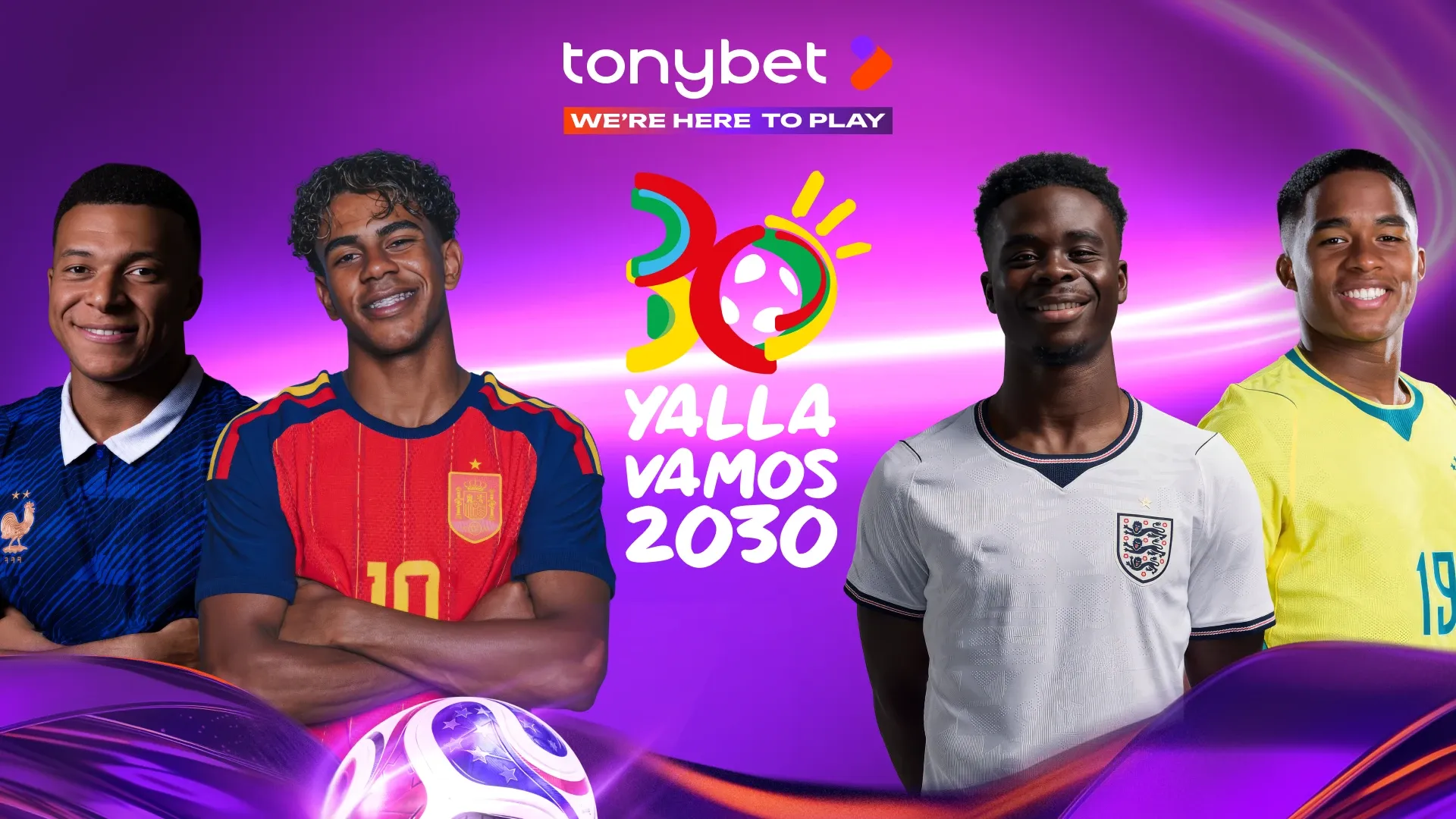

The 2030 World Cup already looks like one of the most exciting tournaments in soccer history. It will be co-hosted by Morocco, Portugal, and Spain, with three centenary matches taking place in Argentina, Paraguay, and Uruguay. The 2030 World Cup location creates strong conditions for European, African, and South American contenders.
Using the 2026 World Cup as the latest benchmark, the early favourites are becoming clear. France, Spain, Argentina, England, and Portugal look like the strongest candidates, while Morocco, Brazil, and Norway stand out as serious dark horses.
France
France remain the strongest early favourite for the 2030 World Cup. They reached the 2026 quarter-finals after beating Paraguay 1-0, and their squad still have the best mix of experience, pace, and elite attacking quality. Kylian Mbappe will be 31 in 2030, which means he should still be close to his peak rather than past it.
France also have a deep talent pool. Players such as Warren Zaire-Emery, William Saliba, and Bradley Barcola give them a strong spine for the next cycle.
Their biggest advantage is balance. Les Bleus can win tight knockout matches, defend leads and punish mistakes with speed. That’s exactly why they will start the 2030 FIFA World Cup as one of the clearest favourites.
Spain
Spain are another obvious contender, especially with part of the tournament being played on home soil. They reached the 2026 quarter-finals after beating Portugal 1-0, and that result showed their ability to control big matches against elite opponents.
The key reason La Roja look so dangerous for 2030 is their age profile. Lamine Yamal, Pedri, Gavi, Nico Williams, and Pau Cubarsi should all be stronger, more experienced, and closer to their prime by then.
Spain already have the technical control to dominate possession, but their newer generation also gives them more direct speed and end product.
Argentina
Argentina cannot be ignored. The defending 2022 World Cup champions reached the 2026 quarter-finals after a dramatic 3-2 comeback win over Egypt.
Enzo Fernandez, Julian Alvarez, Alexis Mac Allister, Cristian Romero, and Alejandro Garnacho give La Albiceleste a strong foundation for the next four years. They also have a proven winning culture, something that often proves decisive in knockout soccer.
England
England are firmly in the top five. They reached the 2026 quarter-finals with a 3-2 win over Mexico, and their attacking depth remains one of the best in international soccer.
Jude Bellingham will be 27 in 2030, Phil Foden will be 30, Bukayo Saka will be 28, and Cole Palmer will be 28. That’s a scary core.
England’s biggest issue has often been turning talent into trophies, but the squad profile is perfect for the next cycle. If the Three Lions improve their knockout-game management, they can win the FIFA World Cup in 2030.
Portugal
Portugal round out the main favourites list. Their 2026 World Cup ended with a 1-0 defeat to Spain in the Round of 16, but that result does not change the quality of their squad.
By 2030, Cristiano Ronaldo will almost certainly be gone, but Portugal already have the next generation ready. Vitinha, Joao Neves, Rafael Leao, Nuno Mendes, Goncalo Ramos, and Diogo Costa give the Selecao das Quinas a strong base.
They also benefit from being one of the 2030 World Cup host nations, which should help with preparation, travel, and crowd support.
Dark Horse: Morocco
Morocco are the most obvious dark horse. They reached the 2022 World Cup semi-finals and continued to show their quality in 2026 by beating Canada 3-0 in the Round of 16. That proves 2022 was not a one-off.
With home advantage in 2030, Morocco can be dangerous again. Achraf Hakimi, Brahim Diaz, and a growing group of European-based players give them both quality and confidence.
Dark Horse: Brazil
Brazil remain a dark horse rather than a top favourite after losing 2-1 to Norway in the 2026 Round of 16. That early exit raises concerns about balance, defensive control, and pressure in knockout matches.
Still, Brazil always have elite attacking talent. Vinicius Junior, Rodrygo, Endrick, and Estevao give them enough quality to rebuild quickly. If the Canarinho fix their midfield structure and defensive discipline, they can move from dark horse to one of the favourites before 2030.
Dark Horse: Norway
The Vikings deserve serious attention after beating Brazil 2-1 in the 2026 Round of 16 and reaching the quarter-finals. Erling Haaland and Martin Odegaard give them two world-class leaders, while their younger squad now have real tournament experience.
Norway are not as deep as France, Spain, or England, but they have a clear match-winning formula. With Haaland in attack, they can hurt any team in one game.
Early Verdict
France and Spain look like the two strongest favourites for the 2030 World Cup, with Argentina, England, and Portugal close behind. Spain’s home advantage could be decisive, but France have the deepest squad and the safest tournament profile.
The 2030 World Cup final venue has not been officially confirmed yet, with Spain and Morocco both strongly linked as potential hosts. Wherever it is played, expect France, Spain, Argentina, England, and Portugal to be the main names in the title race.


